
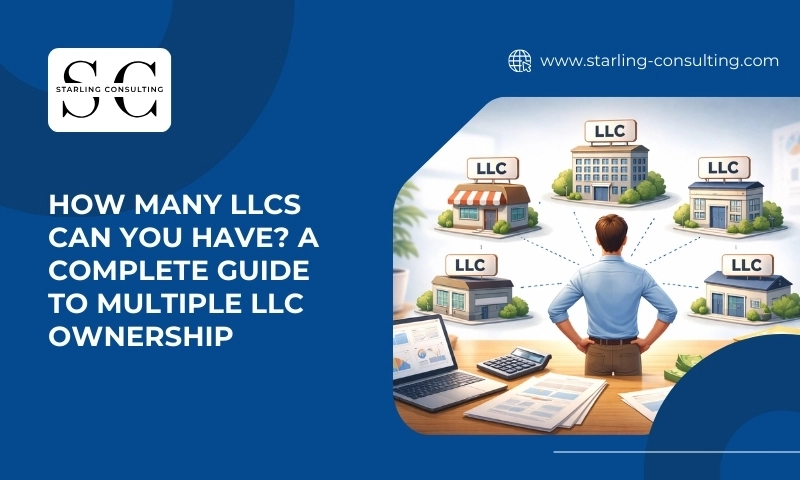
Limited Liability Companies, or LLCs, have become one of the most popular business structures in the United States. They offer flexibility, liability protection, and tax advantages, making them a top choice for entrepreneurs. But as your business ambitions grow, you might ask yourself: “Can I own more than one LLC?”
Owning multiple businesses raises important questions about liability, taxes, and management. Whether you are a solo entrepreneur or part of a larger ownership group, understanding how multiple LLCs work is essential. In this guide, we’ll answer the question of how many LLCs you have, explore the benefits and drawbacks of owning multiple LLCs, and provide practical tips for managing them effectively.
Can I Own More Than One LLC?
Yes, you can own more than one LLC. There is no legal restriction on the number of LLCs a person or entity can own. Each LLC is considered a separate legal entity, which means your liability for one business does not automatically affect your other businesses.
Key points to consider:
- A single person can be the sole owner of multiple LLCs.
- Each LLC requires its own registration with the state, including a unique name and compliance with state-specific regulations.
- You can also have co-owners or partners in one LLC while owning others entirely on your own.
Owning multiple LLCs can give you flexibility and protection, but it also requires careful organization and legal compliance to avoid complications.
How Many LLCs Should You Have?
While you can technically own unlimited LLCs, the number you should have depends on several factors:
1. Type of Business:
If your businesses are in completely different industries, creating separate LLCs can help isolate liabilities. For example, a real estate LLC should not be tied to a consulting business.
2 . Liability Protection:
Separate LLCs protect each business’s assets. If one business faces a lawsuit, the others remain insulated.
3 . Taxes and Accounting:
Managing multiple LLCs can increase accounting and tax preparation complexity. You may need separate tax filings, bank accounts, and bookkeeping systems.
4. Management Considerations:
Running multiple LLCs requires time, organization, and potentially hiring staff or advisors to help manage operations efficiently.
Sometimes, entrepreneurs choose to run multiple businesses under a single LLC using DBAs (Doing Business As). This option simplifies administration but shares liability across all businesses. Determining the right approach depends on your risk tolerance, growth plans, and business type.
Multiple LLCs vs. One LLC for Multiple Businesses
When deciding whether to form multiple LLCs or operate several businesses under a single LLC, it’s important to weigh the pros and cons:
Option 1: Single LLC with Multiple Businesses
- Easier to manage and maintain.
- Unified accounting and banking.
- Lower setup and annual maintenance costs.
Drawback: liability from one business can affect all others.
Option 2: Separate LLCs for Each Business
- Protects each business from the liabilities of the others.
- Makes it easier to sell or transfer a single business without impacting others.
- Supports distinct branding and marketing strategies.
- Drawback: higher administrative costs and compliance responsibilities.
Choosing the right structure depends on how different your businesses are, your risk tolerance, and your long-term goals.
Pros and Cons of Having Multiple LLCs
Before deciding to form multiple LLCs, it’s helpful to review the benefits and challenges:
Pros:
- Liability protection: Each LLC shields its assets from legal issues affecting other businesses.
- Tax separation: Each LLC can choose its tax structure, potentially optimizing tax outcomes.
- Flexibility for sale or transfer: Selling one business does not affect others.
Cons:
- Higher costs: Each LLC has registration, annual fees, and possibly registered agent costs.
- Increased compliance: Multiple LLCs require separate filings, annual reports, and compliance monitoring.
- Complex bookkeeping: Separate accounting for each entity is necessary to avoid tax or legal issues.
How to Manage Multiple LLCs Effectively
Managing multiple LLCs may seem overwhelming, but following a few best practices can help:
- Separate Bank Accounts: Each LLC should have its own checking and savings accounts to avoid mixing funds.
- Maintain Clear Records: Keep independent accounting, invoices, and financial statements for each business.
- Hire Professionals: Consider working with a CPA or attorney to ensure compliance and tax efficiency.
- Consider a Holding Company: For entrepreneurs owning multiple LLCs, a holding company can centralize ownership while keeping each business legally separate.
Effective management ensures that the benefits of owning multiple LLCs are maximized without creating unnecessary risk or administrative burden.
Common Mistakes to Avoid With Multiple LLCs
Owning multiple LLCs can provide many benefits, but it also comes with potential pitfalls. Avoiding common mistakes can save you time, money, and legal headaches.
1. Using the Same Bank Account Across LLCs
Mixing funds from multiple LLCs in a single bank account is a major error. Each LLC is a separate legal entity, and combining finances can:
- Compromise liability protection
- Create confusion during tax filing
- Increase the risk of IRS audits
2. Mixing Business and Personal Finances
Many entrepreneurs make the mistake of using business funds for personal expenses. Doing so can:
- Break the “corporate veil,” putting personal assets at risk
- Causes accounting errors and makes tax filing difficult
3. Failing to Maintain Compliance and Annual Filings
Every LLC has specific filing requirements, including annual reports, state fees, and registered agent obligations. Failing to comply can:
- Result in fines or penalties
- Risk your LLC being dissolved
- Complicated ownership or liability protection
By avoiding these mistakes, you can ensure your multiple LLCs remain legally compliant and financially organized.
Costs and Maintenance of Multiple LLCs
While owning multiple LLCs offers benefits, it also comes with ongoing costs and administrative responsibilities.
1. Annual Fees and State Filings
Each LLC is registered separately and is responsible for:
- State filing fees
- Annual or biennial reports
- Maintaining a registered agent
Costs vary by state, so budgeting for each LLC is crucial.
2. Accounting and Tax Preparation
Multiple LLCs require independent bookkeeping, separate bank accounts, and often multiple tax filings. While this adds cost, it ensures accurate financial reporting and protects liability.
3. Budgeting for Multiple LLCs Efficiently
- Use accounting software to manage multiple entities
- Consider consolidating services like payroll or bookkeeping through one provider
- Plan for professional fees, including CPA and legal consultations
Owning multiple LLCs is manageable with proper planning and budgeting, making the additional investment worthwhile for liability protection and organizational clarity.
Legal and Tax Implications
Understanding the legal and tax implications of multiple LLCs is critical for long-term success.
1. Liability Protection
Each LLC protects your personal assets from liabilities associated with that business. This separation ensures that if one LLC faces a lawsuit, your other businesses and personal property are generally shielded.
2. Tax Options
LLCs offer flexible tax treatment:
Pass-through taxation: Profits and losses pass through to your personal income tax, avoiding double taxation.
Corporate taxation: Some LLCs may elect to be taxed as a corporation for potential tax advantages.
With multiple LLCs, each entity can choose the most suitable tax structure.
3. Importance of Consulting a CPA or Tax Professional
Managing multiple LLCs increases complexity. A qualified CPA or tax professional can help:
- Ensure compliance with state and federal regulations
- Optimize tax strategies across LLCs
- Avoid costly mistakes and penalties
By understanding legal and tax implications, you can maximize the advantages of owning multiple LLCs while minimizing risks.
Case Examples
Example 1: Entrepreneur Running Unrelated Businesses
Jane owns a catering company and a digital marketing agency. She created separate LLCs for each business. If her catering company faces a lawsuit, her digital marketing business remains unaffected.
Example 2: Entrepreneur Running Related Businesses
Mike owns a fitness studio and a yoga studio, which operate under the same LLC using DBAs. This simplifies accounting and administration but means any liability affects both businesses.
These examples illustrate the practical choices entrepreneurs make when managing multiple ventures.
FAQs
Q1: Can I own more than one LLC?
Ans: Yes, there is no legal limit. You can be the sole owner of multiple LLCs or share ownership with partners.
Q2: Do I need multiple LLCs for multiple businesses?
Ans: Not always. If businesses are related or low-risk, you may operate them under a single LLC using DBAs. High-risk or unrelated businesses often benefit from separate LLCs.
Q3: How do I put multiple businesses under one LLC?
Ans: You can use DBAs (Doing Business As) to run multiple businesses under one LLC. Keep in mind that all businesses share the same liability protection.
Q4: Can multiple LLCs have the same owner?
Ans: Yes, a single individual can own multiple LLCs without limitation. Each LLC remains a separate legal entity, protecting liability and allowing independent management.
Conclusion
Owning multiple LLCs is legal and can be a smart strategy for entrepreneurs with diverse business ventures. Separate LLCs offer liability protection, tax flexibility, and branding benefits, but require careful management, accounting, and compliance. Consulting a CPA or attorney, such as Starling Consulting, can help optimize your business structure and tax strategy. By understanding the pros and cons and planning thoughtfully, you can confidently decide how many LLCs to have and set your businesses up for long-term success.